
Our Services – For Your Oral Health
Tallinna Hambakliinik (Tallinn Dental Clinic) offers a wide range of professional dental services, covering all oral care and treatment needs. Our experienced specialists use modern technology and a personalised approach to provide the best possible care for every patient.
Be it a routine dental check-up, complex root canal treatment with a microscope, or a beautiful smile achieved through aesthetic dentistry – we offer a comprehensive solution. Our goal is to help you maintain healthy and strong teeth for life.
Explore our range of services below to find exactly what you need, or contact us for any additional questions. We look forward to welcoming you at Tallinna Hambakliinik, where your smile is always our priority!
Tallinna Hambakliinik Services:
Dental Treatment
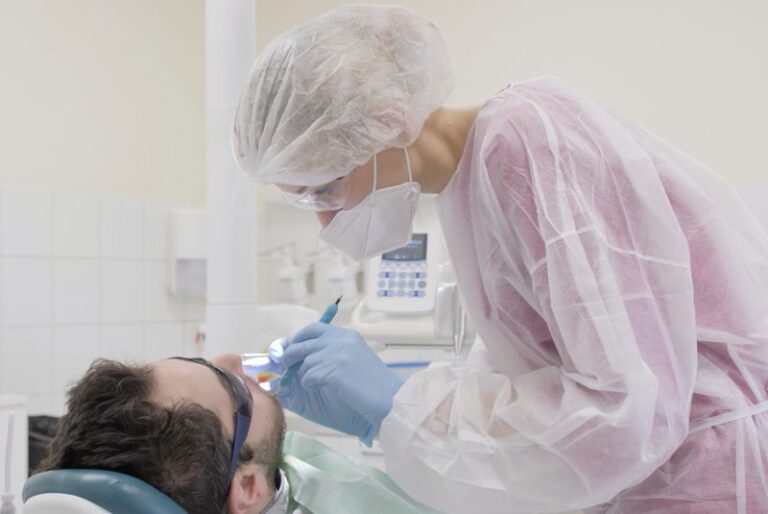
Our wide range of dental services includes:
preventive procedures for dental diseases
tooth restoration using various filling materials
replacement of old fillings
root canal treatment
tartar removal
treatment of gum diseases
teeth cleaning using both conventional methods and the Air-Flow system (including “pearl wash”)
During the patient’s first appointment, we examine the condition of the mouth and teeth and give the patient an overview. Additionally, we take a panoramic X-ray image. If dental treatment is necessary, we prepare a personalised treatment plan and discuss its estimated cost. Once the treatment plan is agreed upon with the patient, we proceed with the necessary procedures.
Proper oral hygiene and regular prophylactic examinations help significantly reduce large expenses on dental care. As the price of dental care depends on the specific problems of the patient, the exact cost of the service can be determined only after the oral examination.
Untreated dental conditions can contribute to serious health problems.
Children’s Dental Care
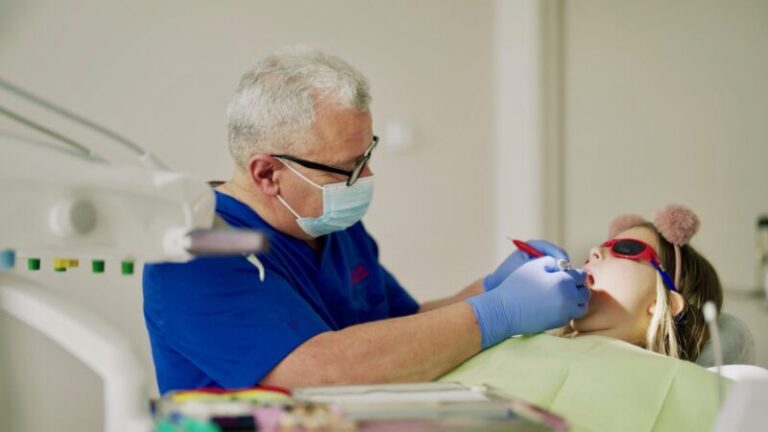
A child’s first visit to the dentist should take place after the first teeth have erupted. It's crucial to visit the dentist before dental and gum problems arise, so that the dental check-up is not unpleasant for the child.
At the first appointment, we perform an examination of the child’s oral cavity, during which we instruct the parent on how to clean the child's teeth and what to pay attention to.
Teeth should be checked every six months because dental decay develops rapidly in children and may not be initially noticeable to parents, while actually, a deep cavity could have formed.
The Health Insurance Fund pays for dental care (including some prostheses) for patients under the age of 19. The appointment fee is 5 euros.
Read more:
Root Canal Treatment with a Microscope
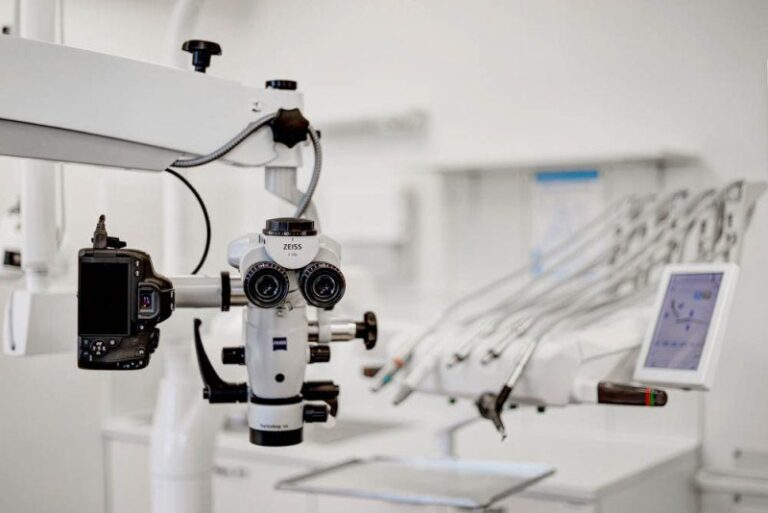
Root Canal Treatment with a Microscope – A Modern Solution for Ensuring Quality
In modern dentistry, the microscope is an invaluable tool, helping with diagnostics and precise treatment. In our clinic, we use the microscope extensively for root canal treatment, cavity removal, surgical procedures, and prosthetics. This precise instrument allows us to spot even the tiniest details that are invisible to the naked eye.
Why is a Microscope Important in Root Canal Treatment?
Root canal treatment, especially for molars with multiple roots, can be a complicated and time-consuming procedure. The microscope magnifies the treatment area up to 36 times and directs a powerful light onto it, enabling the dentist to see and work with even the smallest structures, including narrow accessory canals. This precision contributes to higher treatment quality and reduces the risk of complications.
Advantages of Using a Microscope in Root Canal Treatment
- Greater precision:a microscope helps identify even the smallest accessory canals and detect problems that could otherwise be missed.
- Better visibility:powerful lighting enables the dentist to work more confidently in complex and narrow areas.
- Root Canal Retreatment:with a microscope, old fillings can be removed and dentists can perform complicated root canal treatment in cases where previous treatments performed without magnification failed.
Procedure Cost and Duration
Microscope-assisted root canal treatment is more expensive due to the need for specialized equipment and the dentist’s additional skills, but the precision and chances of success are significantly higher. Root canal treatment is often performed over multiple visits, so payments are spread out over these appointments.
Can a Tooth Hurt After Root Canal Treatment?
Since microscope-assisted treatment is more precise, the risk of complications is lower. However, pain after the procedure may still occur, which is a natural part of the healing process.
Does a Microscope-Assisted Root Canal Treatment Completely Eliminate the Infection?
While the microscope significantly increases the accuracy and quality of treatment, like any procedure, it cannot guarantee a 100% success rate. Proper diagnosis and precise treatment greatly increase the likelihood of success.
Oral Surgery
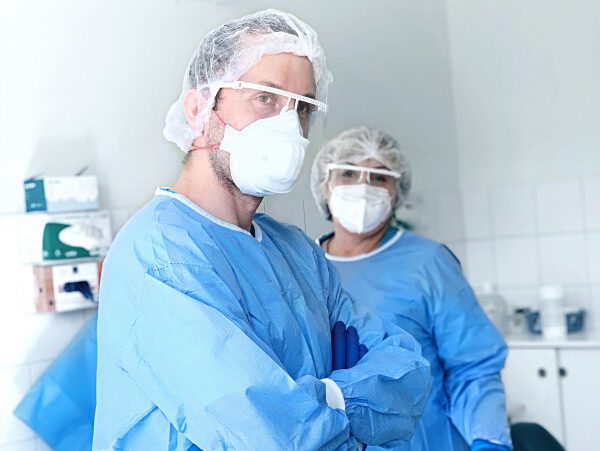
We Provide a Variety of Surgical Services:
Tooth or Root Extraction
extraction of wisdom teeth
cyst removal
extraction of new formations
management of dental traumas
Lip (labial Frenulum) and Tongue-Tie (lingual Frenulum) Correction
Surgical Gum Treatment
Abscess Incision
Placement of Implants (Including Mini Implants)
Preparations for Prosthetics and Orthodontic Treatment
In oral surgery, we use both traditional methods and laser technology. All surgical procedures in the oral cavity are performed under local anesthesia using highly effective anesthetics.
Every surgical procedure begins with prior diagnostics and treatment planning. In case of a scheduled appointments (not first aid), the first appointment includes a consultation and less time-intensive treatments. For more complex procedures, such as wisdom tooth extractions, a separate appointment is scheduled in agreement with the patient.
Prosthetics
Aligners and Mouthguards
Our dental laboratory makes individual aligners and mouth guards for various indications and purposes.
- Sports Mouthguard
- Bruxism Guard
- Whitening Tray
A custom-made aligner can be ordered from a dentist specializing in prosthetics or orthodontic treatment.
Aligners are made of acrylic-based thermo-pressed material by vacuum pressing for either the upper, lower or both dental arches. The thickness of the aligner depends on the type of work to be ordered, varying between 0.6 and 4 mm. The materials used are of high quality and patient-friendly.
Intraoral Device for Sleep Apnea Treatment
In our clinic, patients can order an intraoral device for the treatment of snoring or sleep apnea. Prior to this, a sleep study and consultation with a specialist are required
There are various options for replacing missing teeth. Depending on the patient’s medical indication and the condition of the oral cavity, we can make either removable or fixed dentures.
Removable dentures
Complete dentures -with this type of dentures, all the patient’s teeth are replaced in both the upper and lower jaw, or in one of the jaws. Dentures are made of acrylic and attached to the roof of the mouth and the alveolar ridge. In the case of a completely edentulous jaw, attaching dentures is difficult. It is especially difficult to attach dentures in the lower jaw because the lower jaw is often narrow and low. The tongue and cheek muscles that attach to the lower jaw lift the lower denture off the alveolar ridge. You have to practice holding the dentures in your mouth! In order for the dentures to stay in the mouth better, they can also be attached with implants or mini-implants.
Partial dentures – with this type of dentures, some missing teeth are replaced. Partial dentures are made either entirely from plastic or on a metal cast framework (clasp or frame dentures). They are made either only of acrylic or on a cast metal framework (cast bugel dentures). Because the use of a metal framework allows the dentures to be made with smaller dimensions, there is more free space in the mouth and wearing dentures is more comfortable. The advantage of metal-cast bugel dentures is also their better durability, aesthetics and functionality, but this type of dentures cannot be made for every mouth due to the displacement of one’s teeth or the unsuitable shape of the jawbone. Furthermore, repairing these dentures can be complex and may not always be possible.
Fixed dentures
For the restoration of extensively damaged or missing individual teeth, the best option is fixed dental prosthetics: crowns, bridges, inlays, and veneers.
The result is an aesthetically pleasing, biologically compatible, and durable dental crown or bridge.
Combined dentures
This type of prosthesis combines a fixed dental prosthesis and a removable denture.
Partial and full dentures attached to root anchors and implants – ensuring better stability in the mouth.
A partial denture attached to dental crowns with a special locking system.
When ordering the service, a 50% prepayment for the dentures is required. The remaining amount is paid upon completion of the work.
The fabrication of dentures is a time-consuming and meticulous process that requires excellent cooperation between the patient, dentist, and dental technician. The patient's active participation and feedback during fittings ensure a well-fitting denture and long-term comfort in use.
Our dental laboratory also offers patients a denture cleaning service.
Gum Treatment (Periodontology)
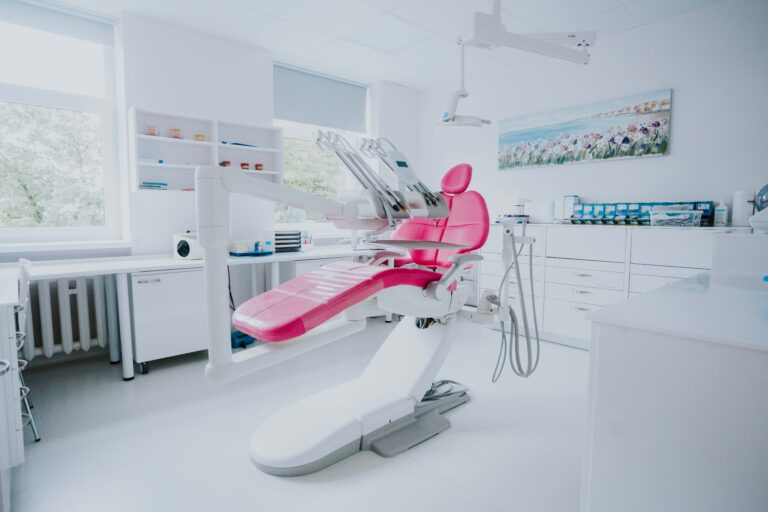
Gum Treatment (Periodontology) is a branch of dentistry that focuses on the treatment of gums and the supporting structures of the teeth. The complex of tissues surrounding and supporting the teeth (periodontium) includes soft tissues (such as gums) and bone tissues.
Good oral hygiene and regular visits to the dentist help prevent gum diseases and avoid their destructive effects.
If periodontal treatment is not done in time, gum diseases can lead to tooth loss. In addition, inflammation in the supporting structures of the teeth increases the risk of diabetes and cardiovascular diseases.
Why Do Gum Diseases Develop?
Gum diseases are very common and affect most people at some point in their lives. Generally, they occur due to inadequate oral hygiene when dental plaque accumulates and tartar (mineralized and hardened plaque) forms. Aggressive bacteria multiply on the gum line, releasing toxins. The gums respond to this with an inflammatory process.
Gum diseases have two main forms – gingivitis (milder and reversible) and periodontitis (more severe, causing irreversible damage).
In the milder form of the disease, gingivitis or gum inflammation, the gums appear red, swollen, and bleed easily. Patients may experience mild discomfort or have no complaints at all. The most common cause of gingivitis is inadequate oral hygiene. With professional treatment and proper ongoing care, gingivitis can be completely cured.
If gingivitis is left untreated, it can progress over time into a more serious condition known as periodontitis. Long-term and chronic inflammation spreads from the gums to involve the supporting structures of the teeth. The gum gradually pulls away from the tooth, forming a gum pocket where plaque can accumulate beneath the gum line. Persistent damage can occur due to inflammation, such as gum recession and bone loss. Ultimately, this leads to loosening and eventual loss of teeth.
Symptoms of Periodontitis, Including Inflammation of the Supporting Tissues and Bone:
Bleeding gums (during brushing)
Swollen, inflamed gums
Gum recession
Tooth sensitivity
Persistent bad breath despite brushing and flossing
Gum Irritation
Gaps Forming Between Teeth (Tooth Mobility)
Gum bleeding after brushing, flossing, or eating
Gum swelling and/or redness
Gum pain and/or sensitivity
Bad Breath
Gum overgrowth and ulcers (less common)
During an appointment, a periodontist examines the patient's gums and notes symptoms such as bleeding, swelling, gum pockets, and pus discharge on the patient's dental record. The periodontist then assesses the treatment needed, explains possible next steps thoroughly, and provides an overview of the treatment costs. Additionally, the periodontist educates the patient on oral care practices. Based on the consultation, the periodontist develops an individualized treatment plan.
Aesthetic Dentistry
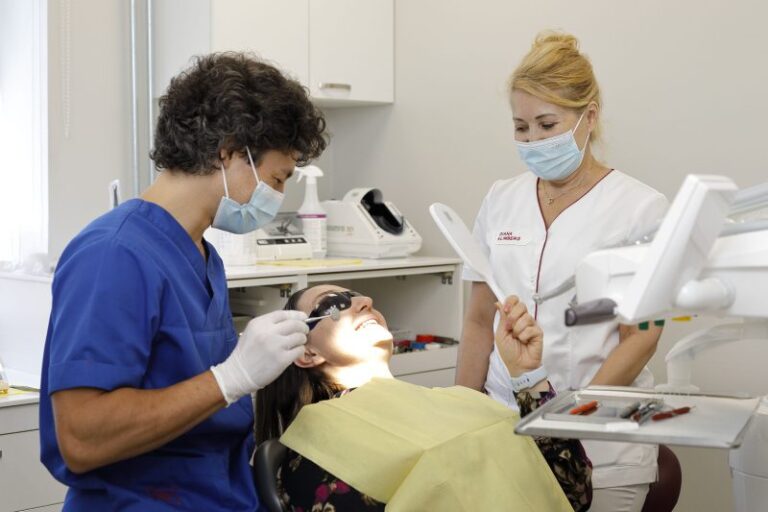
Aesthetic dentistry includes procedures aimed at enhancing the beauty of your smile and improving your self-confidence:
- Teeth whitening
- Replacement of dental fillings
- Application of dental jewellery
- Alignment of teeth
- Prosthetics
- Placement of veneers
Teeth whitening
Teeth whitening can give you a brighter smile.
We offer various options for teeth whitening:
Whitening with the Biolase system – allows achieving a considerable result with just one procedure
Whitening of individual teeth
Intradental whitening
Whitening kits for home use
The most suitable whitening method can be chosen after the teeth have been examined and thoroughly cleaned by a specialist. Whitening requires healthy teeth. It is important to know that only dental tissue is subject to whitening, while existing tooth fillings do not become brighter. Therefore, it is necessary to take into account the possibility that the existing fillings will have to be redone after whitening.
Whitening is not possible for front teeth with large fillings, broken fillings and untreated teeth.
Before whitening teeth, tartar and plaque must be removed. For this, we recommend cleaning the teeth with the Air-Flow device, which can effectively remove both tartar and pigment spots.
The result of whitening depends on the structure of the teeth, and not every patient’s teeth whiten to the same extent. The preservation of the whitening effect depends on the characteristics of the person’s teeth and eating habits. Anything that causes the need for whitening also causes the whitening result to disappear. For example, frequent consumption of coffee, tea and red wine and smoking will cause teeth discolouration over time. The result usually lasts for about a few years. In some cases, we recommend using other methods of cosmetic dentistry, such as laminates, instead of teeth whitening.
Laminates
Laminates are thin coverings placed on the front surface of the tooth to hide large fillings or discolouration. Laminates are made in a dental laboratory from ceramics.
To place the laminate, the front surface of the tooth must be ground down to make room for the laminate.
Dental jewellery
Once teeth are corrected, they can be given the final touch with a dental jewellery, which can be ordered by request. Jewellery is easy to install and does not damage the surface of the tooth.
An appointment with a dentist must be booked to install dental jewellery.
Implantology
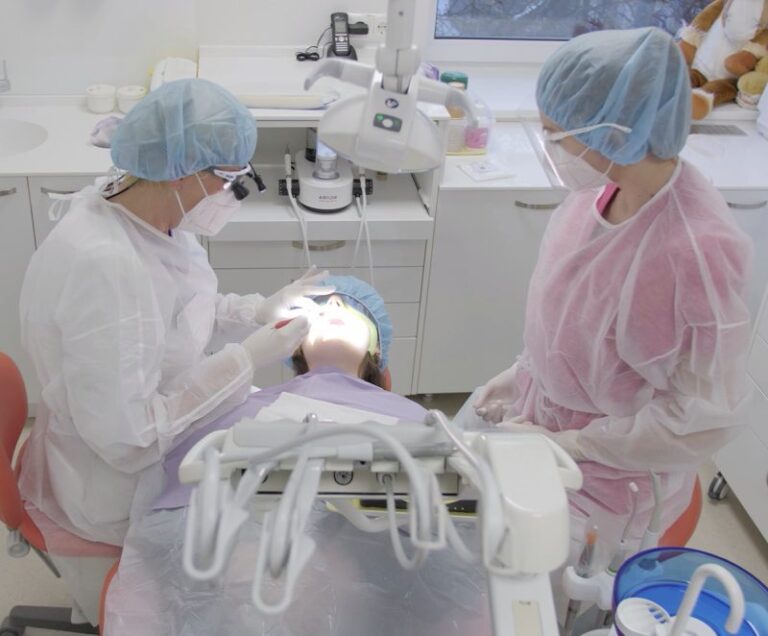
Implants are the best solution for replacing missing teeth. An implant is a high-tech artificial tooth root made of titanium, which can be used to replace one to several missing teeth.
A dental implant is placed in the jawbone during a minimally invasive surgical procedure using local anaesthesia. In some cases, if the patient wants an implant to replace a tooth that needs to be removed and there is no inflammation under the root of the tooth, it is possible to install the implant immediately after the tooth is extracted. After installing the implant, it takes three to six months for the implant to ossify.
A new dental crown or any other structure needed to restore chewing function or aesthetic appearance can be installed on an implant that is already fixed in the jawbone. In addition, implants can be used to better fix complete dentures in the mouth. While the presence of at least partially preserved healthy dental tissue is necessary for other types of dentures, it is not necessary for installing an implant.
If the volume of the patient’s own bone does not allow for the installation of the implant, additional bone tissue can be built. For this purpose, either the patient’s own bone tissue or artificial bone is used. In such a case, the waiting period from the installation of the implant to its attachment in the jawbone is longer – up to six months.
There is no reason to fear that the body does not accept the implant. The success of implant installation and subsequent stability in the mouth depends a lot on the person’s own health condition, oral hygiene and habits. According to various data, implants can remain in the mouth for ten years in 98 percent of cases. Implants can last a lifetime with careful and consistent oral care and regular dental check-ups.
In our clinic, many trained dentists install implants with whom appointments are made by the customer service. During the first appointment, the patient’s questions are answered, the necessary examinations are performed, a treatment plan is drawn up and the approximate cost of the treatment is calculated.
Orthodontics
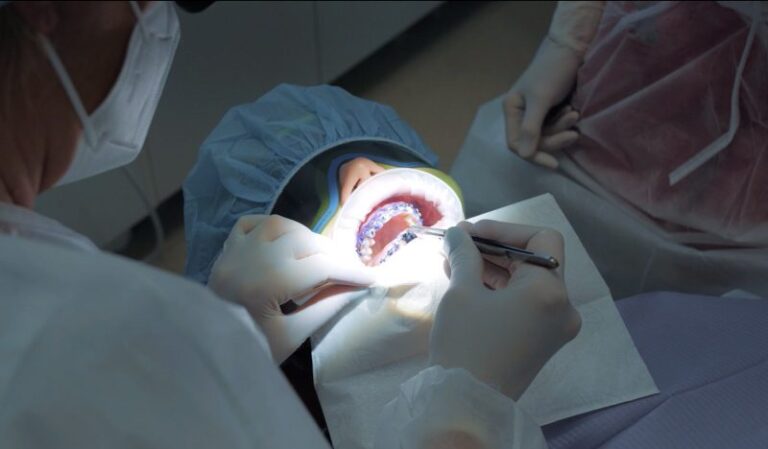
We provide high-quality orthodontic services for children and adults, addressing the following dental alignment issues:
- dental or jaw anomalies
- functional disorders
- aesthetic deviations
We recommend the first visit to the orthodontist between the ages of 7 and 8. At this stage, children have both primary and permanent teeth, allowing the orthodontist to monitor tooth eruption and jaw development. Some dental alignment issues are easier to treat before all permanent teeth have erupted.
During the first visit, the orthodontist examines the condition of the patient’s mouth and explains the treatment options. Once the patient decides to proceed with treatment, the orthodontist performs examinations including X-rays, photographs, and diagnostic models. An estimated cost of treatment is calculated before starting the treatment. The final price is determined based on the complexity and duration of the treatment.
Orthodontic treatment is for a fee, but severe diagnoses are covered by the Health Insurance Fund for children and youth under 19 years of age. Find more detailed information in the Regulation of the Government of the Republic.
You can read more about orthodontics on the website of the Estonian Orthodontic Society..
For any questions or concerns, please contact our customer service.
Please note! Our clinic can accept only limited number of new patients for orthodontic treatment due to a shortage of orthodontists.
Dental Hygienist Service
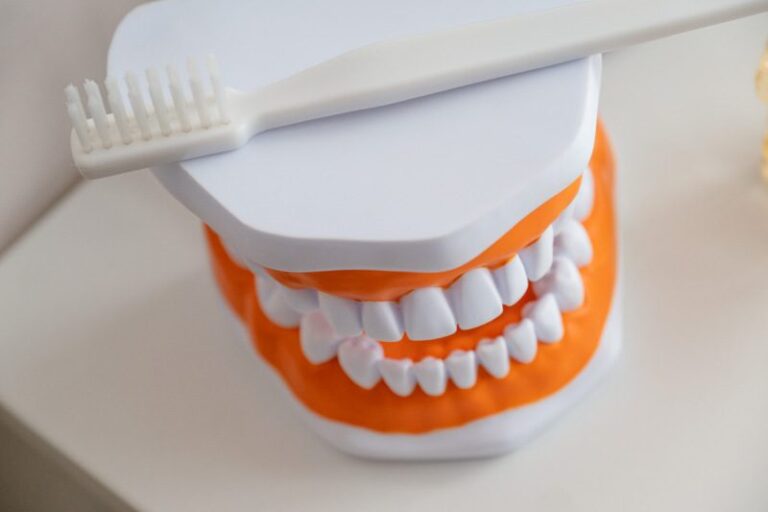
Proper care and hygiene are essential to maintain healthy teeth and gums for life.
Since we know that dental plaque and tartar are major contributors to dental and gum diseases, we recommend visiting a dental hygienist once a year in addition to regular dental check-ups.
The dental hygienist provides advice on oral health care, offers individual recommendations for dental care at home, and teaches proper hygiene techniques. Dental hygienist services also include teeth whitening.
To book an appointment, please contact our customer service or submit a booking request via our website.
Myofunctional Therapy
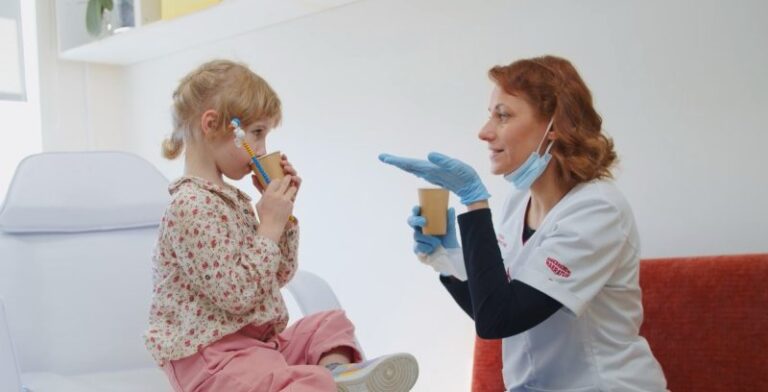
What is a myofunctional disorder?
The functions of the organs and muscles of the human maxillofacial system include sucking, swallowing, chewing, speaking, breathing and facial expressions. A myofunctional disorder manifests as incorrect position and dysfunction of the musculature of the face and mouth.
As a result of myofunctional disorders, dental anomalies, changes in facial skeletal growth and development, disturbed posture, oral hygiene problems, etc., can occur.
Treatment is carried out in cooperation with other specialists such as an orthodontist, otolaryngologist, sleep specialist, speech therapist, etc.
When to see a myofunctional therapist?
- Bad oral habits related to the mouth (long-term sucking on a finger, thumb, lip or cheek, nail biting, teeth grinding, prolonged use of a feeding bottle or pacifier)
- Breathing through the mouth/mixed breathing instead of breathing through the nose (open mouth, dry lips, tongue low and forward, short upper lip, dark circles around the eyes, elongated facial shape, difficulty concentrating)
- Grimacing during swallowing
- Increased salivation
- Pressing the tongue between the teeth or to the sides, when swallowing or speaking
- Mandibular joint disorders (pain, cracking noise)
- Breathing problems at night (obstructive sleep apnoea, snoring)
- Before and after lingual frenectomy
- After removal of adenoids/tonsils
What are the objectives of myofunctional therapy?
- Form the habit of breathing through the nose
- Achieve lip contact
- Correct the resting position of the tongue
- Correct the swallowing pattern
- Correct body posture
- Eliminate bad oral habits
How does myofunctional therapy work?
A myofunctional therapist prepares an individual treatment plan for the patient, which consists of treatment cycles. Each treatment cycle has its own goal and special exercise plan. During the appointment, it is explained to the patient why and what kind of exercises are necessary to address a specific problem. The therapist teaches, checks and, where necessary, corrects the exercises. For the treatment to be effective, it is crucial that the patient strictly follows the exercise plan at home.
Retraining bad habits is not easy, it requires good cooperation and willingness from both the child and the family.
Myofunctional treatment usually lasts from nine months to two years depending on the child’s age, concomitant treatment, the nature of the problem and the diagnosis.
Appointments usually take place 1–2 times a month and last from 30 minutes to an hour. The treatment plan is continuously adjusted according to the patient’s progress and the effectiveness of home exercises.
X-ray Service
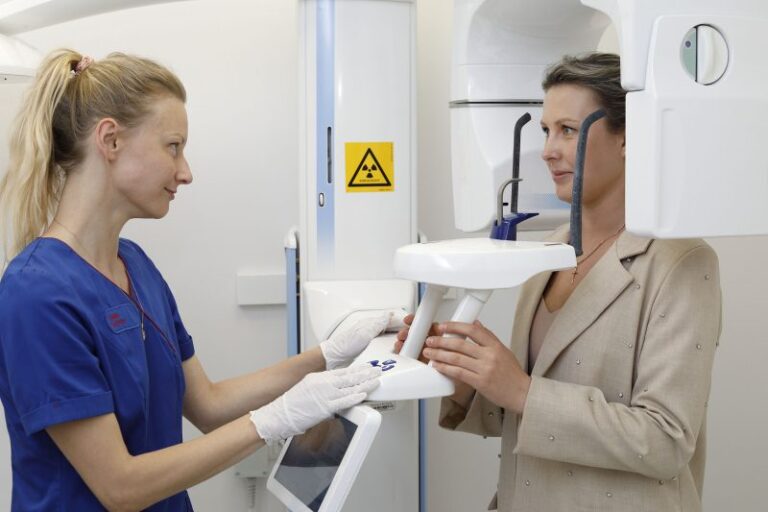
E–R: 8–18 (break 13–14)
L–P: 9–14
A doctor's referral is required for taking an X-ray.
The X-ray room is open on weekdays (Mon–Fri) from 8:00 to 18:00 (13:00–14:00 break) and on weekends (Sat–Sun) from 9.00 – 14.00
We take digital X-ray images:
- Panoramic X-rays
- 3D imaging
- Small dental X-rays
- Lateral skull X-rays (cephalometry)
Our X-ray service can be used by all patients, including those referred from other polyclinics and dental offices
A doctor's referral is required for taking an X-ray.
THK röntgenuuringu saatekiri.docx (docx, 103kb)
Taking an X-ray image is quick, convenient and safe for the patient. Radiation doses from the X-ray machine are kept to a minimum. When performing the procedure, we comply with all the safety requirements.
No prior appointment is required for taking an X-ray. To receive the service, please contact our customer service desk, after which the patient will be directed to the waiting queue. Digital X-ray imaging is performed quickly, and therefore the queue moves fast.
All ordered images are automatically sent to the Estonian Health Image Bank. If the doctor who requested the examination does not have access to the image bank, they must sign a corresponding agreement by writing to abi@pildipank.ee. Signing the agreement and viewing the images is free of charge. To make it convenient to view patient images in the Hammas or Dentes program, please contact the support of the respective program and inform them that the clinic has a valid agreement with the image bank.
If necessary, we also save the images on a USB drive, but the clinic cannot guarantee that the images will open on all devices due to specific program requirements.
X-ray rooms are accessible for wheelchair users. In general, accompanying persons are not allowed inside the X-ray room.
More information about X-ray services can be found under the section "For Colleagues".
Emergency Appointment
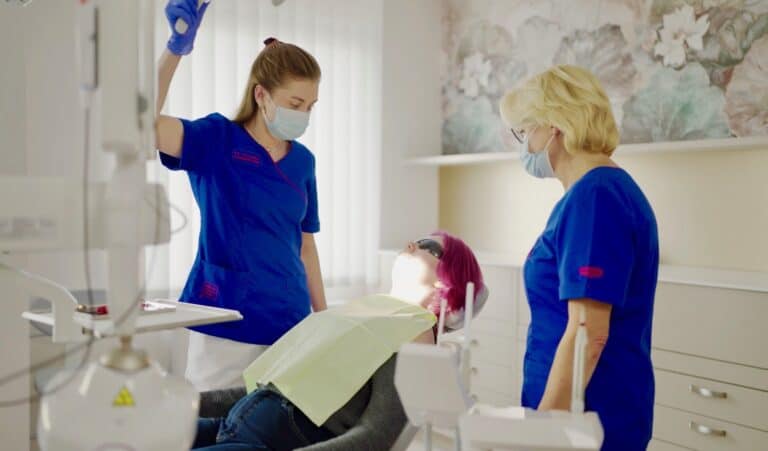
In case of dental trauma occurring outside the clinic’s working hours, the patient should visit the emergency department (EMO) of PERH or SA Tallinna Lastehaigla for assessment, and if necessary, tooth repositioning and diagnosis of a possible jaw fracture. More information about dental trauma can be found here.
Emergency care appointments on weekdays
In case of toothache or trauma, please call 612 1200 to receive care. Appointments are scheduled in advance. On weekdays, booking opens at 7:45. Walk-in visits are not available.
When visiting, the patient must have a photo ID with them.
Please explain your problem to the customer service representative, after which you will be referred to the appropriate specialist. During an emergency appointment, the dentist performs the necessary urgent procedures to relieve pain and inflammation.
If the issue requires prompt attention but is not accompanied by severe pain (for example, a lost or broken filling in a front tooth), please describe your problem to the customer service representative so they can offer you the earliest available appointment.
Emergency care appointments on weekends and public holidays
Advance booking is required for emergency care. On weekends and public holidays, booking opens at 9:00. Walk-in visits are not available.
When visiting, the patient must have an ID with them.
Payment for Services
To receive emergency care on weekends, the patient must make a prepayment of €50 before the visit. The final bill is issued based on the services provided, and any additional payment is made at the reception desk. If the total cost is less than €50, the overpaid amount will be refunded.
Dental treatment for insured patients under the age of 19 is covered by Tervisekassa.
Tervisekassa covers treatment for adult patients only in cases of emergency care. The need for emergency care is determined by the dentist during the examination.
If you have any questions or issues, please contact customer service.
Dental Treatment Under Anaesthesia For Children
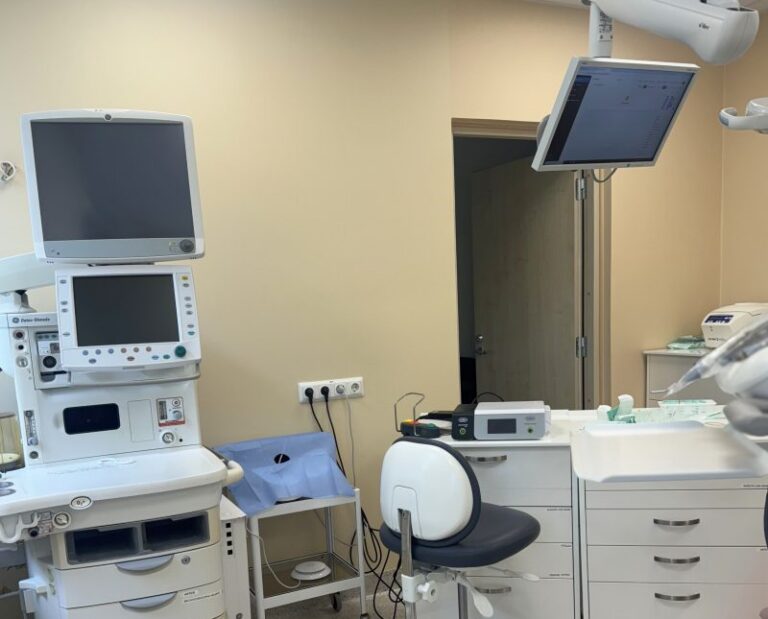
The service is covered by Tervisekassa; a 5€ visit fee is additionally charged.
Our clinic offers dental treatment under general anaesthesia for children under the age of 19. Treatment is indicated in cases where the child is unable to tolerate conventional dental care due to severe dental anxiety, lack of cooperation, extensive dental damage, or special needs.
Treatment is provided only with a digital referral from a dentist. Appointments can be made by phone or email.
Procedures are performed by experienced dentists in cooperation with an anaesthesiologist. The service is covered by Tervisekassa; a visit fee of 5€ applies additionally.
A prior consultation with both the treating dentist and the anaesthesiologist is required. Dental treatment under general anaesthesia is not performed if the child is ill (e.g. cough, runny nose, fever) or has eaten or drunk within 6 hours before the procedure.
After the procedure, the child remains under supervision until fully awake, and parents are given detailed instructions for home recovery. Our goal is to ensure a safe and stress-free treatment experience for the child.
For additional information and to book a consultation, please contact our reception.
IMPORTANT INFORMATION FOR PARENTS
PRECONDITIONS FOR DENTAL TREATMENT UNDER GENERAL ANAESTHESIA
BOOKING
If the patient is on the waiting list, they will be invited to a consultation with the dentist who performs treatment under anaesthesia. If possible, a panoramic X-ray and intraoral photographs will be taken to assess treatment needs and plan the required procedures.
24–72 hours before the procedure, the anaesthesiologist contacts the parent, and the parent signs the consent form for anaesthesia.
HOME PREPARATION FOR THE PROCEDURE
- The child must have been healthy for the past two weeks.
- The day before the procedure: eat and drink as usual.
On the morning of the procedure:
- The child must NOT eat, chew gum, or drink, as swallowing and coughing reflexes are suppressed during general anaesthesia. If there is food or liquid in the stomach, it may enter the airways, which can result in aspiration pneumonia or airway obstruction.
Even a small amount of stomach contents (30–40 ml) can cause significant harm.
- Regular medications may be taken with a small amount of water (except in special cases – consult with the treating physician or anaesthesiologist).
WHAT TO BRING TO THE PROCEDURE
- The child’s ID document.
- Referral and other necessary documents (including consent for anaesthesia).
- The child’s favorite toy or book.
Parent’s role: keep the child engaged while waiting, provide support, comfort them and involve them in games or reading.
ANAESTHESIA AND DENTAL PROCEDURE
Dental treatment under general anaesthesia eliminates the patient’s consciousness and pain sensitivity. Induction of anaesthesia and monitoring during the procedure are carried out by an anaesthesiologist together with an anaesthesia nurse, continuously monitoring the patient’s condition.
DENTAL TREATMENT UNDER ANAESTHESIA IS NOT PERFORMED IF:
- The child is ill (fever, cough, runny nose, acute skin rash, diarrhoea).
- The child has eaten or drunk within the last 6 hours, as this is dangerous.
AFTER TREATMENT
- Take the child home by car if possible.
- Avoid physical activity on the same day.
- The child must not be left alone.
- If necessary, pain relief such as paracetamol or ibuprofen may be given.
- The child may return to kindergarten or school the next day if they feel well.
CANCELLATION AND RESCHEDULING
If the child becomes ill or cannot attend the procedure, please inform us as soon as possible by phone at 6121200 or by email at info@hambapol.ee.
Early notification allows us to offer the appointment to another patient.